
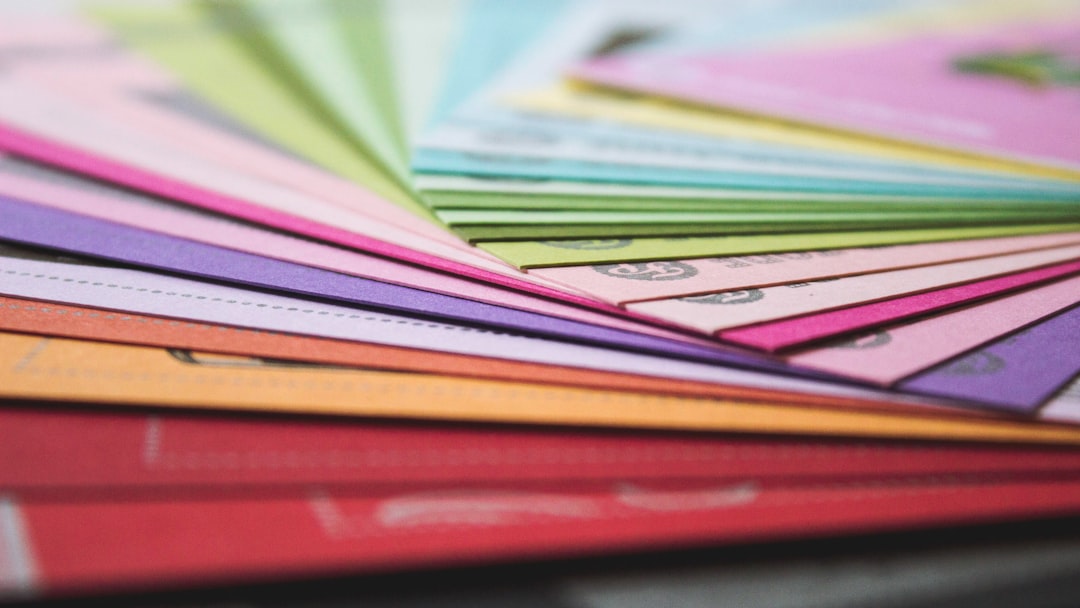
Every decision a business makes about how it presents itself to the world contributes to the strength or weakness of its brand. The fonts chosen for a brochure, the weight of a business card, the finish on a packaging label — these details accumulate into an overall impression that customers carry with them. Professional online printing services have made it significantly easier for businesses to control these details at scale, ensuring that every piece of printed material they produce reflects their brand with precision and consistency.
Why Print Remains a Relevant Branding Channel
The narrative that print is fading has been overstated. Research consistently shows that printed materials generate higher recall and engagement than many digital formats. A physical piece of communication occupies space in a customer’s environment in a way that a digital ad cannot — it sits on a desk, travels in a bag, and gets passed from one person to another.
For brands building long-term relationships with their customers, print creates moments of connection that digital channels struggle to replicate. The texture of a high-quality paper stock, the visual impact of a well-printed photograph, the satisfaction of receiving a thoughtfully packaged product — these experiences shape how people feel about a brand.
The key is not choosing between print and digital, but understanding how each medium serves different objectives and how they can be combined to create more powerful overall experiences.
What Makes Online Print Platforms Valuable for Growing Businesses?
The accessibility of online print platforms has reshaped the economics of professional print for small and medium-sized businesses. Features that were once available only to large enterprises with dedicated print procurement teams are now accessible through intuitive web interfaces.
Template Libraries and Design Tools
Many online printing platforms offer extensive libraries of professionally designed templates covering a wide range of product categories. Businesses without in-house design resources can customize these templates with their own logos, colors, and content — producing professional-looking materials without engaging an external designer.
Transparent Specification Controls
Configuring a print order correctly requires understanding variables such as paper weight, finish type, bleed settings, and color mode. Modern platforms present these options clearly, with explanations of what each choice means in practical terms. This transparency reduces the risk of ordering errors and helps businesses make informed decisions about the specifications that will best serve their needs.
Scalable Quantity Options
The ability to order small quantities without a significant price penalty is one of the most practically valuable features of online print platforms. A startup testing a new brochure design does not need to commit to a large run before confirming the material performs well in the market. This flexibility reduces financial risk and encourages more thoughtful, iterative print production.
Delivery Tracking and Reliability
Knowing exactly when an order will arrive is essential for businesses coordinating print deliveries around events, campaigns, or client meetings. Reputable online printing platforms provide tracking information and realistic delivery estimates from the moment an order is placed.
How Does Print Quality Affect Brand Perception?
The quality of printed materials sends a clear signal about how a business values its own brand. Thin, poorly printed business cards communicate a different message than premium cards printed on thick stock with a soft-touch finish. Customers and prospects may not consciously analyze these differences, but they register them.
Research in consumer psychology has demonstrated that tactile experiences influence judgments of quality and value. Heavier paper is associated with greater importance and credibility. Smooth, high-quality finishes are associated with premium positioning. These associations are not arbitrary — they reflect consistent patterns in how people experience the physical world.
For this reason, investing in print quality is not purely an aesthetic decision. It is a branding decision with real implications for how customers perceive and interact with a business.
What Are the Most Effective Print Products for Client-Facing Communication?
Different business contexts call for different print solutions. Understanding which materials serve specific communication objectives helps businesses make smarter investments in print.
Capability Statements and Company Profiles
For businesses in professional services, construction, or government contracting, a printed capability statement is a standard part of the sales process. A well-produced, clearly structured document communicates credibility and helps decision-makers quickly understand what a business does and why it is qualified.
Product Catalogs
Retail and wholesale businesses benefit enormously from printed product catalogs. A physical catalog allows customers to browse at their own pace, return to pages of interest, and make notes — behaviors that are less natural in a digital browsing environment. For high-consideration purchases, a catalog can be the deciding factor between one brand and another.
Thank-You Cards and Inserts
Post-purchase communication is one of the most underutilized branding opportunities available to product businesses. A printed thank-you card included in a shipment creates a moment of genuine connection between brand and customer. These small gestures have an outsized effect on customer loyalty and word-of-mouth referrals.
Conference and Event Programs
For businesses that host or participate in events, printed programs and agendas create a professional atmosphere and serve as lasting reminders of the experience. Attendees often keep well-produced event materials for reference long after the event concludes.
How Should Businesses Approach File Preparation for Professional Print?
One of the most common sources of frustration in the print process is receiving a final product that does not match the expected design. Most print quality issues originate in the file preparation stage rather than in the printing process itself.
Professional print files require specific settings to reproduce accurately. Color mode should be set to CMYK rather than RGB, as printers use the CMYK color model. Resolution should be set to at least 300 dots per inch at the intended print size to ensure sharp, crisp output. Bleed — the extension of design elements beyond the trim line — should be included to prevent unwanted white borders after cutting.
Most online printing platforms provide detailed file preparation guides and downloadable templates that take the guesswork out of this process. Following these guidelines carefully before placing an order is the single most effective way to ensure the final printed product matches the intended design.
Can Online Printing Services Accommodate Complex or Custom Projects?
Standard products such as business cards, flyers, and banners are widely available through most online printing platforms. For businesses with more complex or distinctive requirements, the range of options available has expanded considerably in recent years.
Specialty finishes such as foil stamping, spot UV coating, embossing, and debossing are now accessible through many online platforms — features that were previously available only through specialized print shops with significant minimum order requirements. Die-cut shapes, custom sizing, and multi-panel fold configurations can also be configured through well-equipped platforms.
For highly complex projects — such as large exhibition installations, specialized packaging, or architectural signage — some online platforms offer consultative services where experienced print specialists work directly with clients to specify and produce materials that meet unique requirements.
How to Evaluate Whether an Online Printing Service Meets Your Brand Standards
Not all online printing platforms deliver equivalent quality or service. A few evaluation criteria help businesses identify partners that are genuinely well-suited to their needs.
Ordering sample packs before placing a production order is the most reliable way to assess print quality firsthand. Most reputable platforms offer samples at low or no cost, and the investment of time in reviewing them can prevent significant disappointment with larger orders.
Reviewing the platform’s customer feedback — particularly comments about color accuracy, delivery reliability, and customer service responsiveness — provides insight into real-world performance. Pay particular attention to how the platform handles issues when they arise; a company that resolves problems fairly and efficiently is a more reliable long-term partner than one that produces perfect results most of the time but handles exceptions poorly.
Assessing the platform’s sustainability credentials is increasingly important for businesses with environmental commitments. Look for certifications and transparent reporting rather than vague claims.
Turning Print Into a Brand Asset
Printed materials become true brand assets when they are designed and produced with intentionality. A business card that someone keeps because it is beautifully made, a brochure that a prospect references repeatedly during a decision-making process, a packaging experience that a customer photographs and shares — these outcomes require both strategic thinking and quality execution.
Online printing services have removed many of the historical barriers to achieving this standard. The tools, materials, and expertise required to produce exceptional printed materials are now accessible to businesses regardless of their size or location.
The brands that take full advantage of this accessibility — approaching print as a deliberate element of their overall brand strategy rather than an afterthought — are the ones that create the deepest and most durable impressions on their customers.