
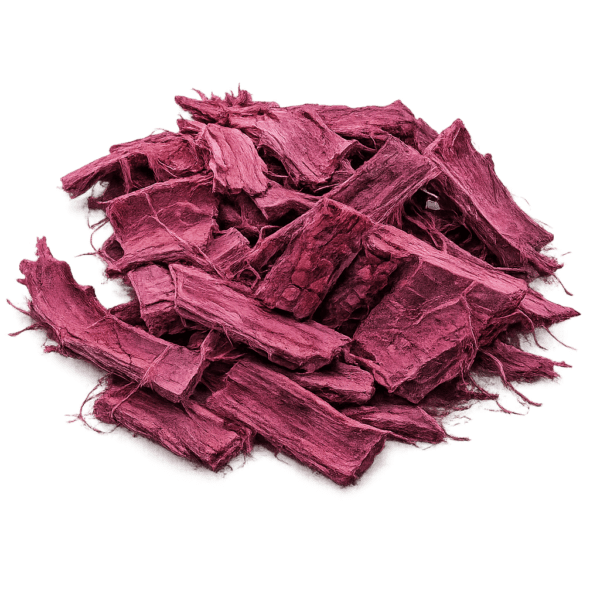
Mimosa Hostilis Root Bark Powder is a botanical material made by processing the root bark of Mimosa tenuiflora, a plant native to parts of South America. The species is particularly associated with northeastern Brazil and has a long history of traditional use. Today, the powdered bark is discussed in botanical, ethnobotanical, and natural-product contexts.
For anyone researching this material, it is useful to understand its botanical origin, characteristics, traditional background, quality factors, and safety considerations. This guide focuses on general information and responsible research rather than making unsupported claims about medical effects.
What Is Mimosa Hostilis Root Bark Powder?
Mimosa Hostilis Root Bark Powder is produced by drying and mechanically processing the root bark of Mimosa tenuiflora. The plant was historically referred to as Mimosa hostilis, which explains why the older name continues to appear in product descriptions.
The powder is generally brown, reddish-brown, or dark reddish in appearance. Its exact color and texture can vary depending on the plant’s growing conditions, age, harvesting practices, drying process, and degree of grinding.
Because the original pieces of bark are no longer visible after grinding, accurate identification and reliable sourcing become especially important.
Understanding the Plant Behind the Powder
Mimosa tenuiflora belongs to the Fabaceae family. It is a thorny shrub or small tree capable of growing in relatively dry and demanding environments.
The species has small leaves, light-colored flowers, and a strong root system. Its natural distribution includes northeastern Brazil and other parts of Latin America.
The plant’s ability to tolerate challenging environmental conditions has contributed to its ecological and cultural importance in regions where it naturally occurs.
Traditional Background
The history of Mimosa Hostilis Root Bark Powder is connected to the broader traditional use of Mimosa tenuiflora. Communities in parts of Latin America have historically used different parts of the plant for practical and traditional purposes.
The bark has been discussed particularly in relation to traditional external applications. Ethnobotanical records provide valuable insight into how local communities interacted with native plants and used available natural resources.
However, traditional use should not be confused with modern medical evidence. A historical practice does not by itself establish that a product is safe or effective for a particular health condition.
Why Is the Bark Processed Into Powder?
Grinding dried bark into powder changes its physical form and makes the material more uniform in texture. Powdered botanical materials are often easier to package, transport, measure for legitimate research purposes, and incorporate into certain non-consumable preparations.
At the same time, powdering removes many visual clues that could help identify the original plant material. This makes supplier transparency and quality control particularly important.
A reputable botanical supplier should clearly identify the plant species and provide information about its source and processing.
Key Features of the Powder
Several characteristics may be useful when evaluating Mimosa Hostilis Root Bark Powder.
Appearance
The powder commonly has a reddish-brown to dark-brown appearance. Color can vary naturally, so appearance alone should not be considered proof of quality or purity.
Texture
The texture depends on the grinding process. Some products may be finely milled, while others can have a slightly coarser consistency.
Botanical Identity
The scientific name Mimosa tenuiflora is an important reference point when researching the material. The older name Mimosa hostilis is also widely used.
Natural Variability
Plant materials are not necessarily chemically identical from one batch to another. Geographic origin, soil, climate, genetics, plant age, harvesting, and processing can all influence composition.
Natural Compounds
Like many plants, Mimosa tenuiflora contains naturally occurring chemical compounds. Researchers have investigated various parts of the species to understand its phytochemical profile.
However, online product descriptions can sometimes exaggerate the significance of individual compounds. The presence of a naturally occurring compound does not automatically mean that the finished product provides a specific health benefit.
Consumers and researchers should therefore distinguish between laboratory findings, traditional descriptions, and evidence from controlled human studies.
Quality and Sourcing Considerations
When researching Mimosa Hostilis Root Bark Powder, quality should be considered carefully. A low price does not necessarily indicate good value, while an attractive appearance does not guarantee purity.
Important factors include:
- Clear botanical identification
- Transparent information about origin
- Appropriate processing methods
- Suitable packaging
- Storage information
- Quality-control procedures
- Testing documentation where available
It is preferable to choose suppliers that provide straightforward product information rather than relying on exaggerated claims or vague descriptions.
Storage and Handling
Dried botanical powders can be affected by moisture, heat, light, and contamination. Proper storage can help preserve the physical quality of the material.
The product should generally remain sealed and protected from damp conditions. Any powder showing visible mold, unusual moisture, or significant changes in smell or appearance should be treated as potentially contaminated.
Following the storage instructions provided by the supplier is the safest approach.
Safety Considerations
A major misconception surrounding botanical products is that natural materials are automatically harmless. In reality, plants can contain biologically active compounds that may interact with medications or affect individuals differently.
Anyone considering using an unfamiliar botanical product should research its safety carefully. People who are pregnant, taking prescription medication, managing a medical condition, or considering internal use should consult a qualified healthcare professional.
It is also important to avoid assuming that claims found on commercial websites have been scientifically verified.
Legal Considerations
The legal status of Mimosa Hostilis Root Bark Powder can vary depending on the country or jurisdiction. Regulations may also depend on how the material is sold, possessed, processed, or intended to be used.
Before purchasing or possessing the product, buyers should check current local laws and regulations. This is particularly important because rules concerning botanical materials and naturally occurring compounds can change over time.
A supplier’s statement that a product is legal in one country does not necessarily mean that it is legal everywhere.
Environmental Perspective
Mimosa tenuiflora has ecological significance in its native environment. Its ability to survive dry conditions makes it an interesting species from an environmental perspective.
Plants capable of growing in challenging landscapes can contribute to vegetation recovery and soil stability. Research into Mimosa tenuiflora therefore extends beyond commercial botanical products and includes ecological and environmental topics.
Understanding this broader role can provide a more balanced perspective on the plant.
Common Mistakes When Researching Botanical Powders
Beginners can easily encounter misleading information when researching botanical products online. One common mistake is assuming that every traditional claim has been scientifically confirmed.
Another is judging quality exclusively by color, texture, or price. These characteristics can provide clues but cannot independently establish purity or chemical composition.
A better approach is to examine the plant’s scientific identity, supplier transparency, available testing information, and relevant scientific literature.
Final Thoughts
Mimosa Hostilis Root Bark Powder is a processed botanical material derived from Mimosa tenuiflora, a plant with a long history in traditional and ethnobotanical contexts. Its distinctive appearance, botanical background, and natural variability make it an interesting subject for people researching plant-based materials.
Understanding the product requires more than reading a commercial description. Buyers and researchers should consider botanical identification, sourcing, processing, storage, safety, scientific evidence, and local regulations.
By approaching Mimosa Hostilis Root Bark Powder with reliable information and realistic expectations, beginners can better understand both the material itself and the plant from which it comes.