
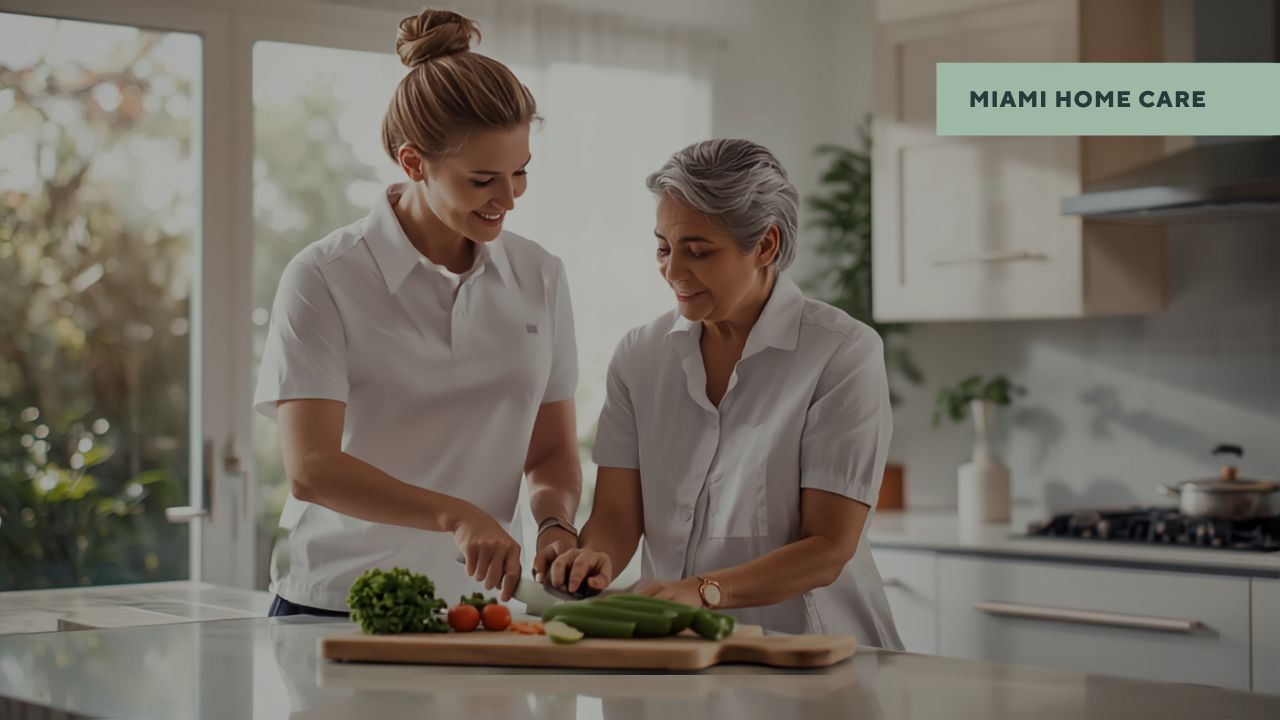
Families often have many questions when exploring home care for a loved one. They want to understand how services work, what benefits they offer, and how caregivers can make everyday life safer and more comfortable. Choosing A home care service provider in Miami is often the first step toward creating a supportive environment where individuals can continue living with dignity in familiar surroundings. Home care has become an essential part of modern healthcare by helping older adults and individuals with ongoing health needs maintain their routines while receiving compassionate assistance. As demand for personalized care continues to grow, more families are seeking reliable solutions that balance independence with professional support.
One of the most common questions is what services home care actually includes. Professional caregivers provide assistance with daily living activities such as personal hygiene, mobility support, meal preparation, companionship, medication reminders, light housekeeping, and transportation for appointments when appropriate. These services are designed to match the unique needs of every individual rather than following a one-size-fits-all approach. Personalized care plans allow clients to receive the right level of assistance while preserving their preferred lifestyle.
Another important question focuses on who can benefit from home care. Although many people associate these services with seniors, home care also supports adults recovering from surgery, individuals living with chronic conditions, people managing disabilities, and those needing temporary assistance after illness. Families often discover that professional caregivers offer valuable reassurance during recovery periods while encouraging clients to regain confidence in daily activities.
Many people also ask how home care promotes independence instead of reducing it. The goal of quality care is not to replace an individual’s abilities but to support them wherever assistance is needed. Caregivers encourage clients to remain active, participate in familiar routines, and continue engaging in hobbies whenever possible. This balanced approach helps maintain physical well-being while supporting emotional confidence and personal dignity.
Safety remains another major concern for families considering home care. Professional caregivers help reduce everyday risks by monitoring mobility, assisting with transfers, maintaining clean living environments, and observing changes in physical or emotional condition. Early recognition of changing health needs allows families to respond promptly while helping individuals remain comfortable in their own homes. Regular observation also creates valuable communication between caregivers, clients, and family members.
Families frequently wonder how companionship affects overall well-being. Social interaction plays an important role in maintaining emotional health. Professional caregivers provide meaningful conversation, encourage participation in enjoyable activities, and reduce feelings of loneliness that can develop when individuals spend extended periods alone. Strong caregiver relationships often contribute to greater happiness, emotional stability, and improved daily engagement.
Another frequently discussed topic involves communication with family members. Professional home care organizations understand the importance of keeping loved ones informed about care routines and noticeable changes. Open communication builds trust while ensuring that everyone involved understands the client’s evolving needs. Families gain confidence knowing that experienced caregivers remain attentive throughout each visit.
People also ask how personalized care plans are developed. Every individual has unique preferences, medical considerations, daily routines, and personal goals. Care providers begin by understanding these needs before creating a customized care plan. As circumstances change over time, services can be adjusted to reflect new priorities, allowing care to remain flexible and responsive without disrupting the client’s comfort.
Quality training is another common concern when selecting a provider. Professional caregivers receive education that prepares them to assist with personal care, communication, safety awareness, and respectful client interactions. Ongoing learning allows caregivers to adapt to changing healthcare practices while maintaining compassionate service. This combination of skill and empathy creates a supportive experience for both clients and their families.
Many families also wonder why remaining at home is often preferred over other care options. Familiar surroundings contribute to emotional comfort, reduce unnecessary stress, and help individuals maintain established routines. Remaining connected to family, neighbors, personal belongings, and community activities often enhances overall quality of life while encouraging greater confidence and independence.
As home care continues to evolve alongside changing healthcare needs, professional caregiving remains centered on compassion, respect, and individualized support. Families searching for dependable care value providers who understand that every person’s journey is different. By focusing on safety, communication, personalized attention, and emotional well-being, home care services create meaningful opportunities for individuals to enjoy greater comfort while continuing to live with dignity in the place they know best.