
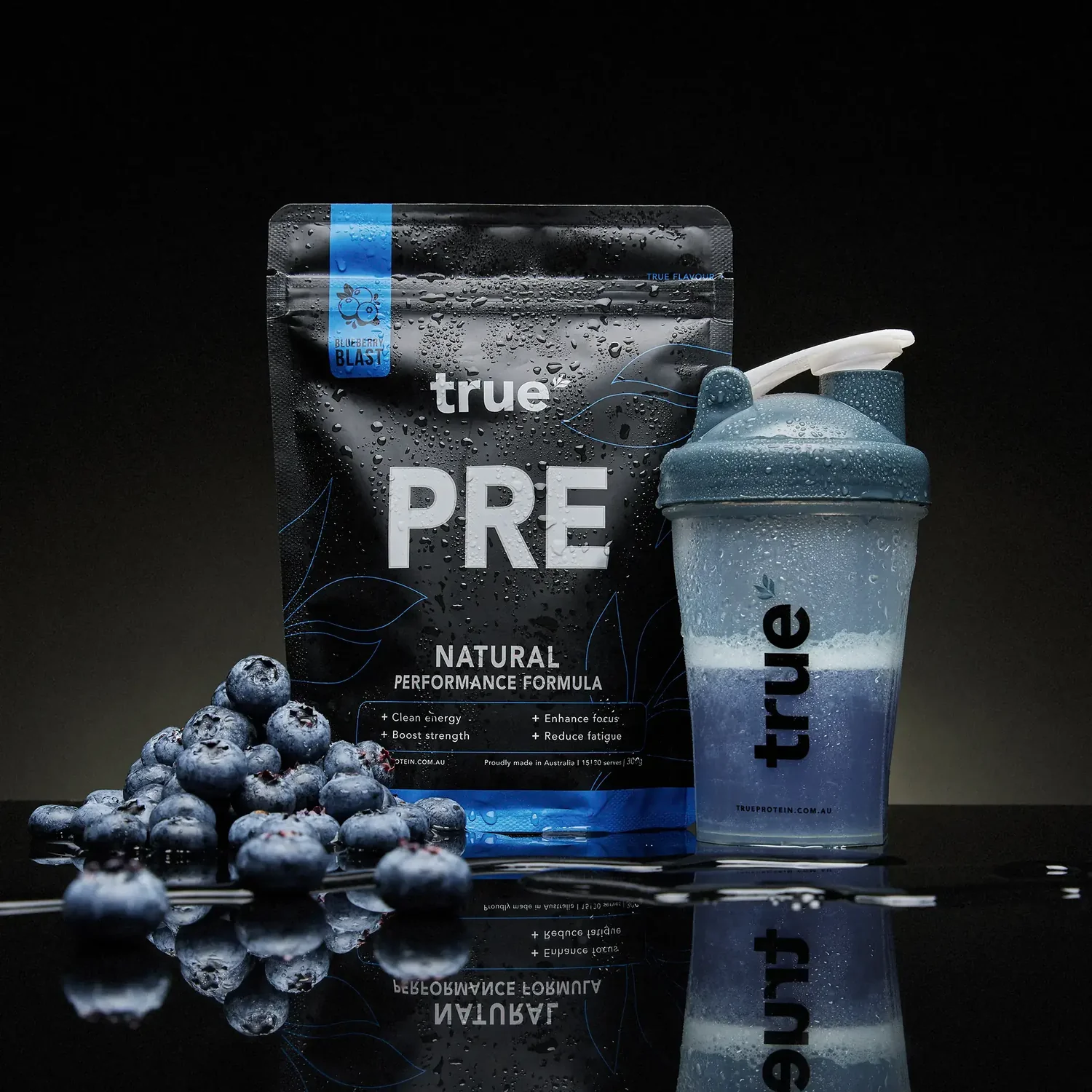
The pre workout category is one of the most marketed in sports nutrition. Bold claims, aggressive branding, and ingredient lists that read more like chemistry textbooks than supplement labels make it genuinely difficult to evaluate what’s worth buying.
Pre workout supplements work — when they’re formulated correctly and matched to the right person. The problem is that a significant portion of the market isn’t formulated correctly. This guide covers what separates effective products from the rest and what to look for when finding the best pre workout in Australia for your training.
What Pre Workout Supplements Actually Do
Pre workout supplements are designed to improve training performance across three areas: energy, focus, and physical output. Each is driven by different ingredients working through different mechanisms, which is why the formula matters as much as the category.
Energy comes primarily from caffeine. It blocks adenosine receptors in the brain, reducing the perception of fatigue and increasing alertness. The dose determines how pronounced the effect is — and how well it’s tolerated.
Focus comes from compounds like L-tyrosine and taurine, which support dopamine and noradrenaline production and contribute to the mind-muscle connection that matters during technically demanding lifts or high-intensity intervals.
Physical output is supported by ingredients like citrulline malate, which increases nitric oxide production and improves blood flow to working muscles, and beta-alanine, which buffers lactic acid build-up and extends endurance during high-rep efforts.
A well-formulated pre workout covers all three areas. A poorly formulated one leans heavily on caffeine and marketing while underdosing or omitting everything else.
The Ingredients That Matter
Understanding what’s in a pre workout formula is the most reliable way to evaluate it before you buy. These are the compounds with meaningful evidence behind them.
Caffeine
The primary driver of energy and focus in most pre workout formulas. Effective doses range from 100mg for beginners to 300mg or above for experienced users with established tolerance. The dose should be clearly disclosed — any product that doesn’t state the caffeine content is worth treating with scepticism.
Citrulline Malate
Supports nitric oxide production, blood flow, and muscular endurance. The research-supported dose is 6 to 8g per serve. Products listing citrulline below 4g, or failing to disclose the amount at all, are unlikely to produce meaningful results in this area.
Beta-Alanine
Buffers lactic acid accumulation in muscle tissue during high-rep or high-intensity efforts. The tingling sensation it produces — paresthesia — is harmless and normal. Effective daily dose sits at 3.2 to 6.4g.
L-Tyrosine
Supports mental focus and cognitive performance under physical stress. Most useful in longer or more technically demanding sessions where focus tends to drop as fatigue builds.
Taurine
Plays a regulatory role in cardiovascular function and moderates some of the overstimulation that high caffeine doses can produce. Commonly included in higher-stim formulas to smooth the energy response.
Creatine
Some pre workouts include creatine for power output. Useful if you’re not supplementing it separately, with an effective dose of 3 to 5g per serve.
What to Avoid on the Label
Knowing what to look for is one side of the equation. Knowing what to avoid is the other.
Proprietary blends: These group multiple ingredients under a single total weight without disclosing individual doses. You have no way of knowing whether any ingredient is present at a useful amount. A formula with 3g of a “performance blend” containing six ingredients is almost certainly underdosing everything.
Excessive stimulant stacking: Some products combine multiple stimulant compounds beyond caffeine. At moderate doses this can be effective. At high doses it increases cardiovascular load and the likelihood of an uncomfortable experience without proportional performance benefit.
Undisclosed caffeine content: Any product that doesn’t state its caffeine content clearly on the label is an immediate red flag. Caffeine is the primary active ingredient in most pre workouts. Not disclosing it suggests something worth hiding.
No independent testing: Batch testing by a third-party accredited laboratory confirms that the product contains what it claims. Without it, there’s no verification that the label reflects reality.
Matching the Product to the Person
The best pre workout for any individual depends on three things: stimulant tolerance, training demands, and training timing.
Someone new to pre workout supplementation needs a lower-caffeine formula with a controlled stimulant load. Starting high risks an uncomfortable first experience that puts people off the category entirely.
Someone with established tolerance training at high intensity benefits from a stronger formula with higher caffeine and a full suite of performance ingredients dosed correctly.
Anyone training in the evening needs to account for caffeine’s half-life. A 300mg dose taken at 7pm will still have meaningful caffeine activity at midnight. Either train earlier, use a lower-caffeine formula, or switch to a non-stimulant option for evening sessions.
Non-stimulant pre workouts rely on citrulline, beta-alanine, creatine, and other performance ingredients without caffeine. They’re a practical option for evening trainers, caffeine-sensitive individuals, or people who simply want performance support without the stimulant effect.
How to Get the Most Out of a Pre Workout
Timing, hydration, and cycling all influence how well a pre workout performs over time.
Take it 20 to 30 minutes before training to hit peak effect during your session. Consume it with water and make sure you’re well-hydrated before and throughout training — pre workouts perform better when hydration is adequate.
Avoid stacking with other caffeine sources on the same day. Coffee, energy drinks, and fat burners on top of a pre workout compound the stimulant load without proportional benefit.
Cycle off for one to two weeks every couple of months. Consistent daily use builds caffeine tolerance, which reduces the effect over time. A short break resets sensitivity and keeps the product working at the level it should.
FAQs
Do pre workout supplements actually work?
Yes, when formulated correctly and matched to the right person. Caffeine is one of the most studied ergogenic compounds available, with consistent evidence for improving performance, reducing perceived effort, and increasing training output. The performance ingredients — citrulline, beta-alanine, creatine — have their own strong evidence bases. The question is whether the product you’re buying contains them at useful doses.
How long do pre workout supplements last?
The energy and focus effects of a caffeine-based pre workout typically last two to four hours. Performance ingredients like citrulline and beta-alanine work acutely during the session. The half-life of caffeine in most people is four to six hours, which is why evening use affects sleep quality.
Can I take pre workout every day?
Technically yes, but it’s not ideal for managing stimulant tolerance long-term. Daily use builds caffeine tolerance, which reduces the effectiveness of the product over time. Using it on your harder training days and cycling off periodically keeps the benefit consistent.
Is pre workout safe for beginners?
A lower-stimulant beginner formula is safe for healthy adults new to pre workout supplementation. Starting with half a serve to assess tolerance before committing to a full dose is the sensible approach. High-stimulant formulas are not appropriate starting points for people without established caffeine tolerance.
What’s the difference between stimulant and non-stimulant pre workouts?
Stimulant pre workouts contain caffeine and sometimes additional stimulatory compounds. Non-stimulant formulas rely on performance ingredients — citrulline, beta-alanine, creatine — without caffeine. Neither is inherently better. The right choice depends on when you train and how your body responds to caffeine.